
Tag: Binge Eating Disorder
advocacy

Males with eating disorders and caregivers need recognition and support too
by
This sixth and final post that June Alexander has adapted from Alykhan Asaria’s article on improving eating disorder care for underserved groups, discusses two more underserved groups – a) males and b) caregivers and loved ones – together with the conclusion. Males Male eating disorder sufferers are underserved due to their...
advocacy

Education is key to filling gaps in eating disorder care
by
In this fifth post that June Alexander has adapted from Alykhan Asaria’s article on improving eating disorder care for underserved groups, three more underserved groups are discussed – socioeconomically and sociogeographically disadvantaged people, ethnic/racial minorities, and sexual/gender diverse people. Socioeconomically and sociogeographically disadvantaged people Access to adequate healthcare often depends on...
advocacy

Eating disorder diagnosis failing young and old
by
In this third post that June Alexander has adapted from Alykhan’s Asaria’s article on improving eating disorder care for underserved groups, three more underserved groups are discussed — younger children, people with under-recognised eating disorders, and people with higher weights. Younger children and pre-adolescents Children under 13, and by implication,...
advocacy

Family diets were the norm when Faith was a child
by
I usually say it all started in 2020 when I was 14, but I don’t know if that’s true. I mean, yeah, that’s when I began to lose weight, but I hated myself well before then. My family had been on and off “family diets” since I was young. I...
advocacy
Love and shame: exploring my most difficult emotions
by
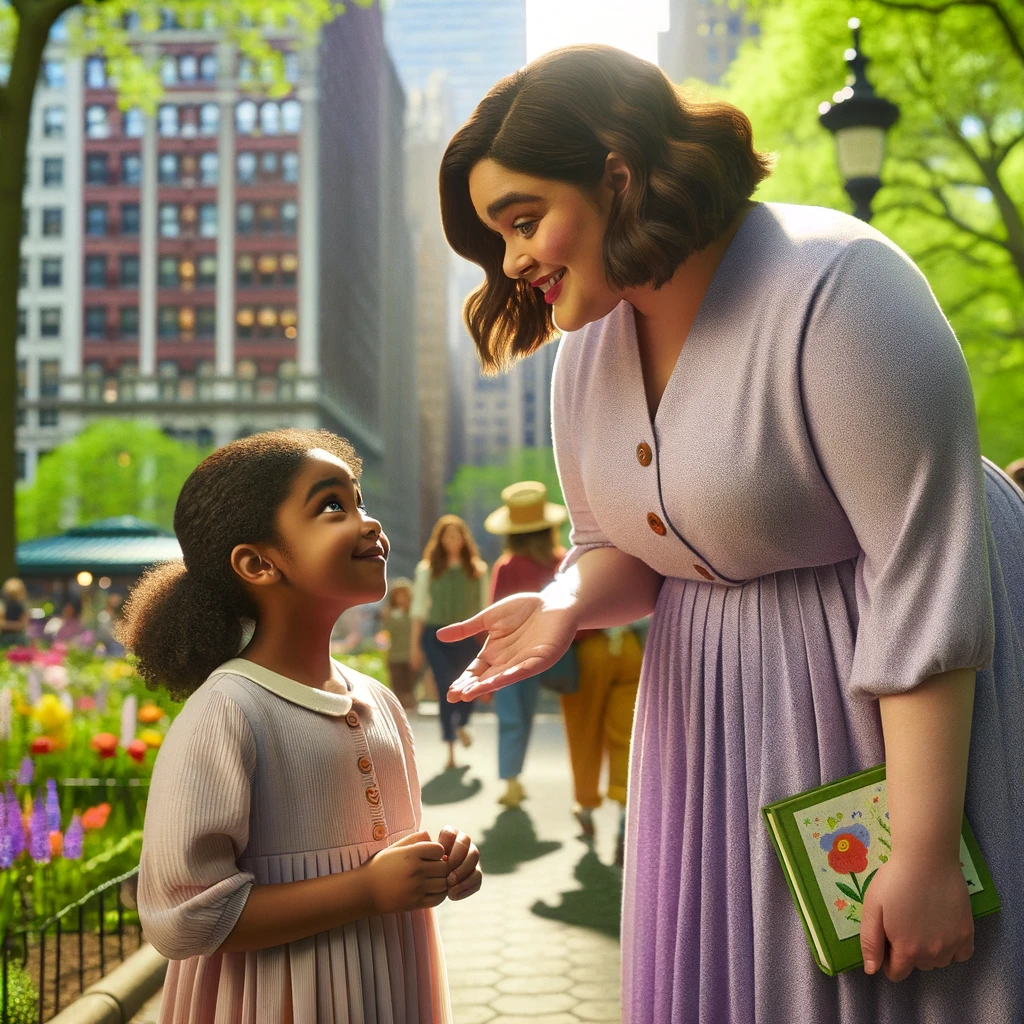
In learning to recognise my needs and have them met, I’ve also learnt more about emotions and their role in my life. A decade ago, when I was about 40 years old, a four-year-old asked why I was so fat. It was one of those moments when something shifted. If...
Eating Disorders

The Role of a Support Person in Eating Disorder Treatment
by
The most important thing you can do when assisting someone with an eating disorder is to prepare by educating yourself as much as possible about eating disorders. You will need to constantly remind yourself that behind this illness is the person you are trying to reach and care for. The...
Eating Disorders
Changing the chatter on body image with ‘KIT’ the Chatbot
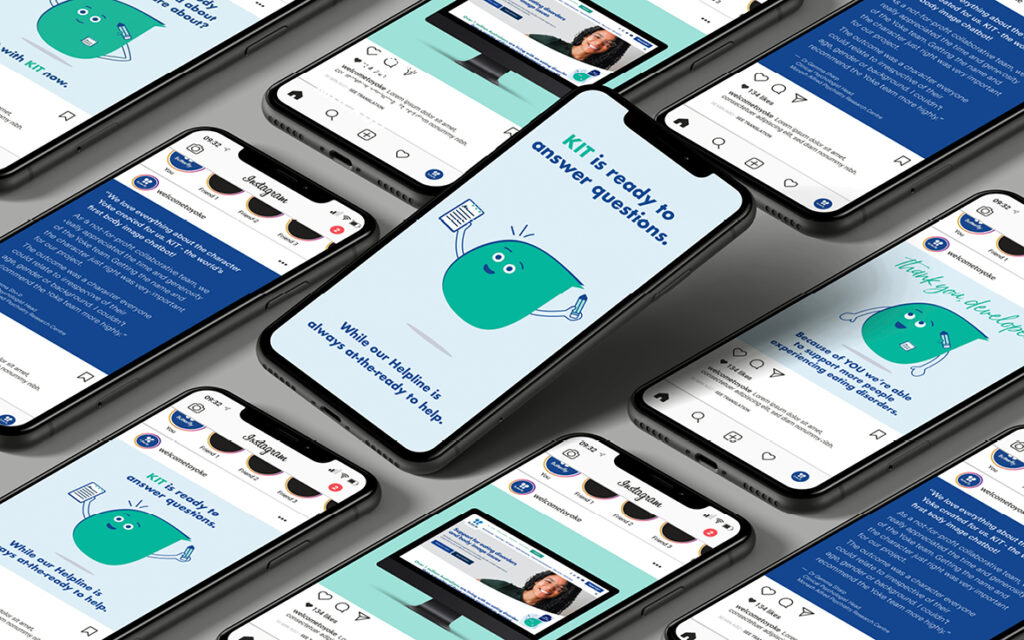
The COVID-19 pandemic has had devastating impacts on people struggling with body image issues and eating disorders. A new world-first chatbot, launched in collaboration with the Butterfly Foundation, is providing much needed support to these people and their loved ones. The chatbox is providing hope to the one in three young...
Eating Disorders

Supporting Someone with an Eating Disorder During COVID-19
by
A COVID-19 has led to a surge in the number of people struggling with an eating disorder. Secondary care specialist eating disorder teams are stretched beyond their capacity and waiting lists continue to grow. GPs are growing increasingly anxious how best to manage these high-risk patients, and families are feeling...
Eating Disorders

This Girl Rising: online self-help eating disorder program fills gap
by
By Michelle Southern and Jennifer Hamer Two Australian-based women, Michelle and Jennifer, have created an online self-help eating disorder program to help address gaps in accessible and adequate treatment and care. Michelle and Jennifer bring first-hand understanding to the fore — their lives, studies and careers have been shaped through...
Eating Disorders
Studying the impact of personality traits in people with eating disorders
by
From a clinical and research perspective, Eating Disorders (EDs) are interesting, almost unique, in that despite not wanting to have an ED, many people continue to engage in behaviour that can be dangerous and even deadly. More concerning is that people with an ED can often have a poor prognosis,...
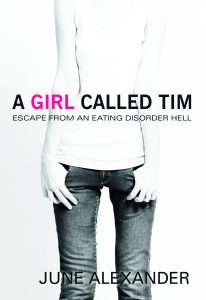
Free - 'A Girl Called Tim' Podcast
In this free podcast, Dr June Alexander reads her memoir, written almost entirely from her diaries, which she began writing at the age of 12.
Recent Comments