Category: Books
Anorexia
Writing your life story with a memoir mentor
by
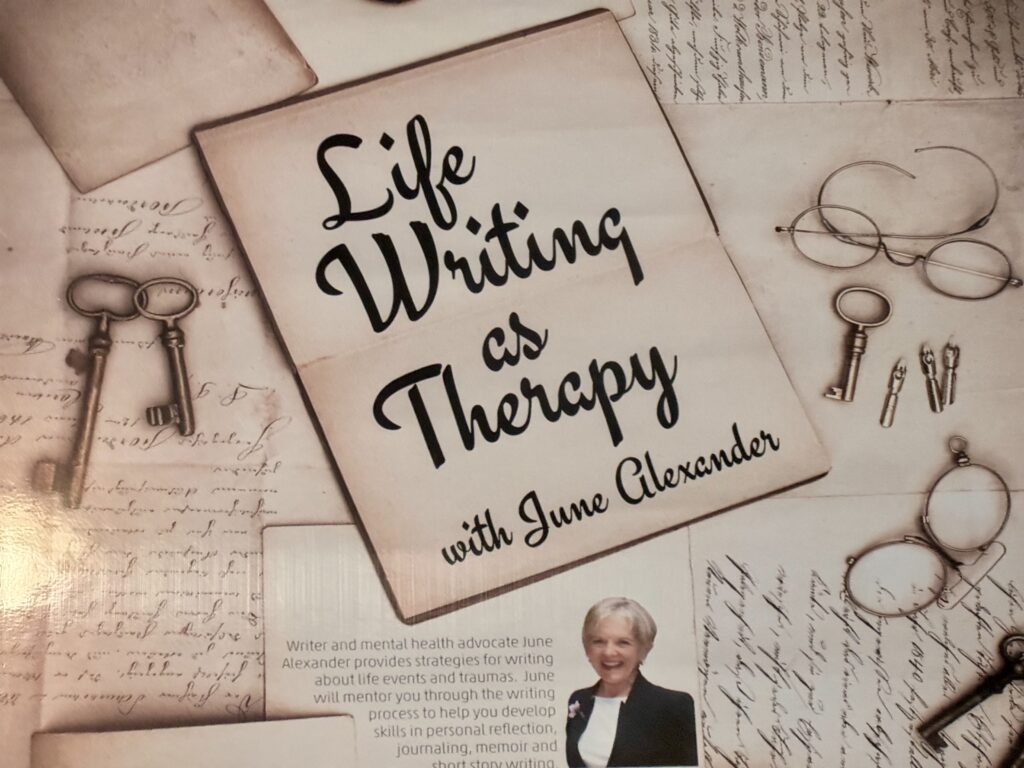
As a life-writing mentor, I offer guidance in transforming your life experiences into a tangible memoir. You write your truth, crafting your story in your unique voice. This form of self-expression is a precious gift to yourself and your loved ones. Writing a memoir is not just a healing and...
advocacy
My diaries have a new home in the National Library of Australia
by
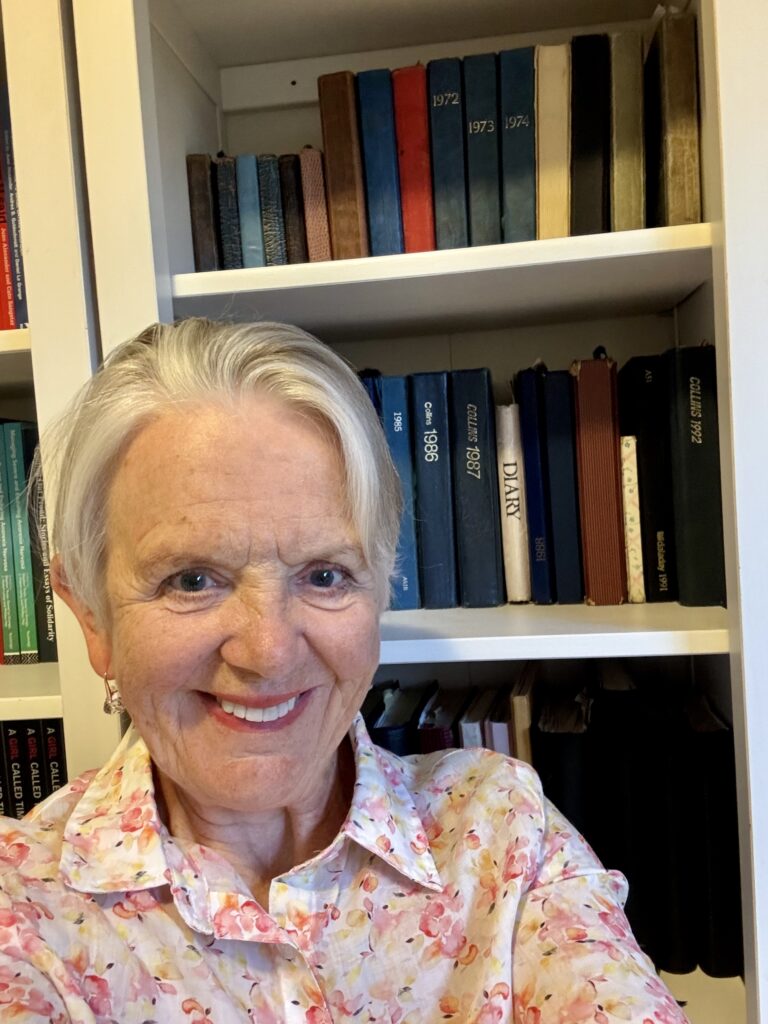
My eating disorder has gone to Canberra, Australia’s national capital. The eating disorder has travelled there within the pages of my diary collection, acquired by the National Library of Australia (NLA). There, the eating disorder will be open to public scrutiny. Canberra is an eight-hour road journey from where I...
advocacy
From post-traumatic stress to post-traumatic growth
by
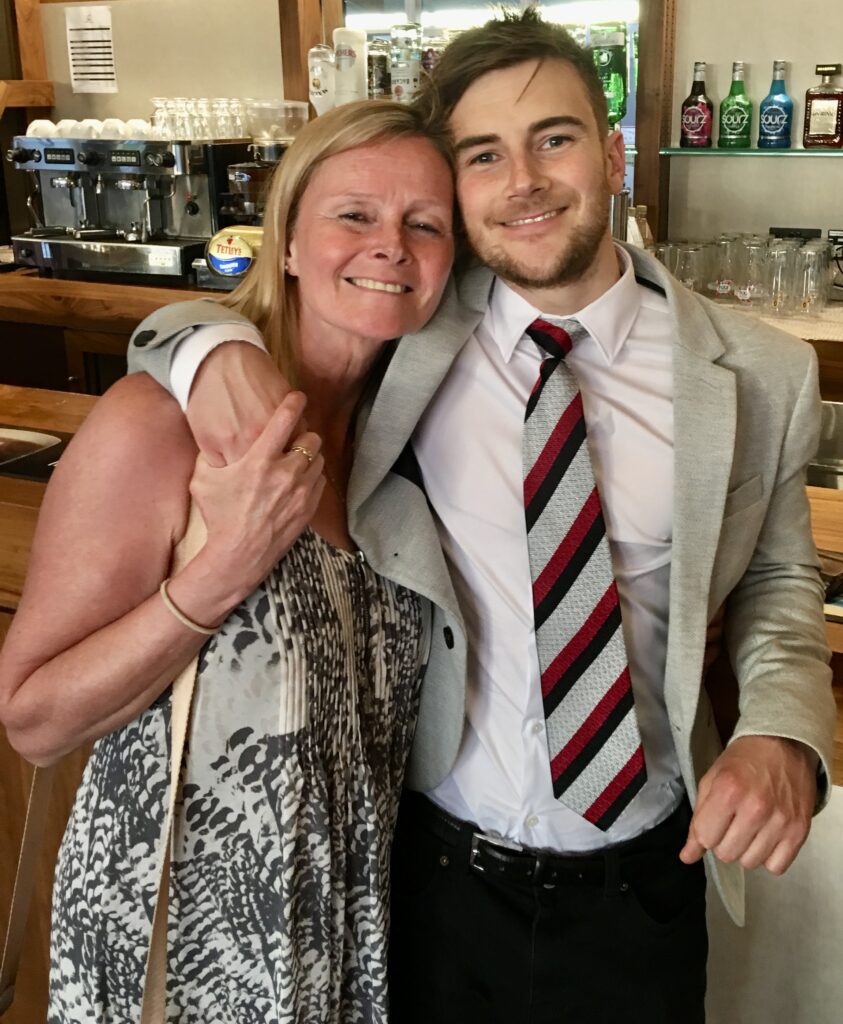
My son Joe developed anorexia at the age of 12 in 2002. He lost 25 per cent of his body weight in 12 weeks. Since that torrid time, I have known that caring for a loved one with an eating disorder is exhausting, distressing, disorientating, excruciating and terrifying. As with...
advocacy

When a child develops anorexia, their family is plunged into the eating disorder world
by
It happened fast. Suddenly we were stuck in this black hole called anorexia nervosa. I had no idea how we’d gotten there so quickly, nor did I know how to get out. My 10-year-old (soon to be 11-year-old) daughter developed anorexia over the past year. Although she had probably already...
advocacy
Family stories expose the reality of Family Based Treatment today
by
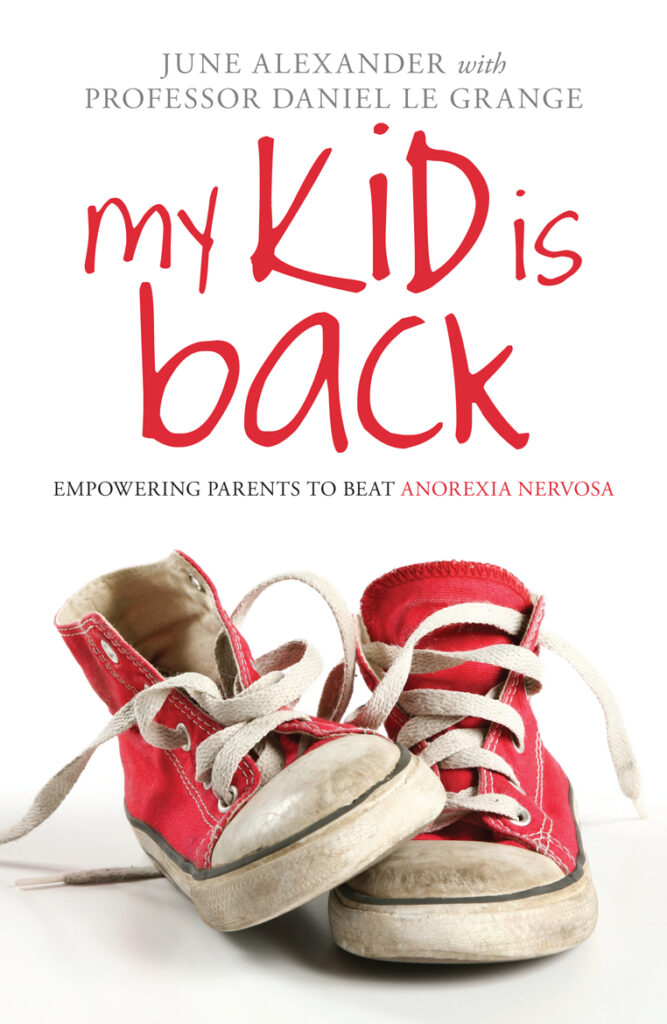
Early responses to the call for family stories about experience with Family Based Treatment (FBT) for treatment of anorexia nervosa have been a revelation. I posted the call on my blog in October to invite first-person stories for the Second Edition of My Kid is Back – Empowering Parents to...
advocacy
Take a self-discovery tour – write your story
by
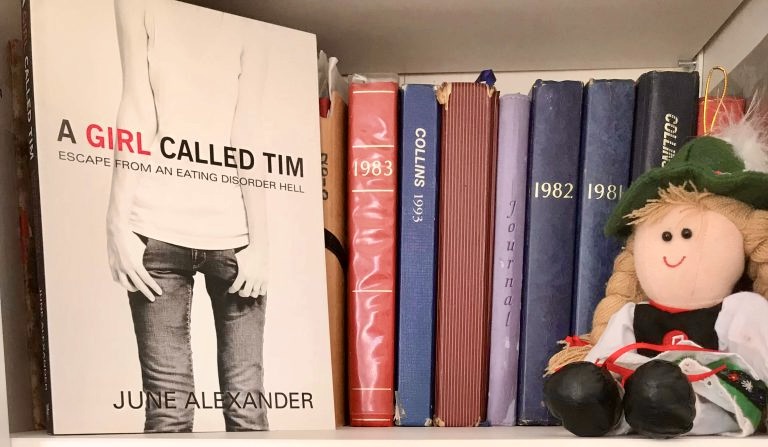
So, you want to write your memoir? A memoir is a story about part of your life. What part do you most want to write about? Why? My memoir, A Girl Called Tim, is about my life with an eating disorder from age 11 to age 55. As I entered...
advocacy

Write and everything will be all right
by
… i got your book A Girl Called Tim out of the library and i literally read the whole thing in one day because i just couldnt put it down … it was the first book i have ever read that describes exactly how i feel … i wish that...
advocacy
My Kid is Back: Calling families with experience of an eating disorder and family-based treatment
by
Exciting news! Professor Daniel Le Grange and I are writing an update to the first edition of My Kid is Back – Empowering Parents to Beat Anorexia Nervosa. Families who have participated in Family-Based Treatment (FBT) for a child with Anorexia Nervosa (AN) are warmly invited to share their stories...
advocacy
Welcome to Life Stories Diary
by
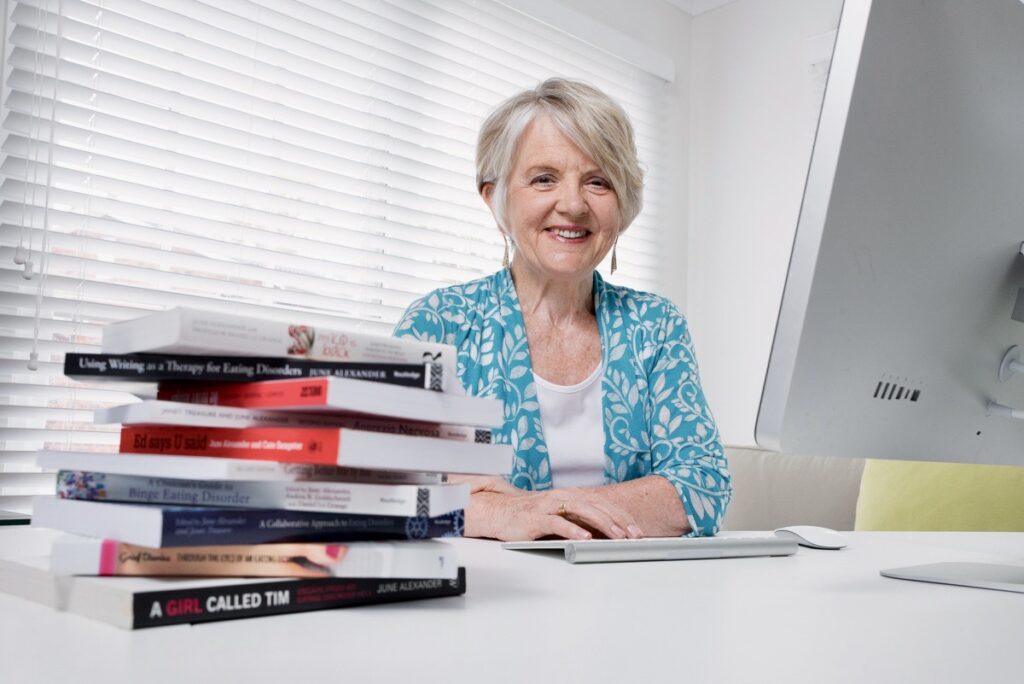
The Diary Healer has transitioned to this new site with a new aim and a new name. Building on The Diary Healer’s accomplishments, lifestoriesdiary.com is here to encourage story-sharing and help you write your story. Are you one of the many people who say, ‘I will write my story one...
advocacy
Sharing our story gives others permission to share their story too
by
As I ‘came out’ and began to share my story publicly through my memoir, A Girl Called Tim (2011), an amazing thing happened. Shame, stigma, and secrets that had been the bane of my life for decades, were quelled. Rather than remain quiet, my diaries ‘came out’ too. For instance,...
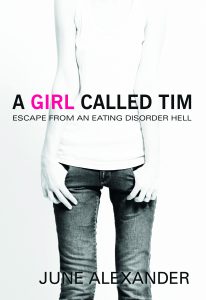
Free - 'A Girl Called Tim' Podcast
In this free podcast, Dr June Alexander reads her memoir, written almost entirely from her diaries, which she began writing at the age of 12.
Dear Diary
Articles
The diary, a book in which a daily record of events and personal experiences can be kept, offers a window into life in the past.




Subscribe for Updates
Receive notifications of new posts by email.
Recent Comments