Tag: research
advocacy

Eating disorders are family disorders
by
Keynote speaker at the 2013 National Eating Disorder Association conference, Dr Thomas Insel, was speaking from the heart when he said, “Eating disorders are family disorders.”* His words remain vital today. When a Federal government shutdown meant Dr Insel could not address the NEDA audience as director of the National...
advocacy
Family stories expose the reality of Family Based Treatment today
by
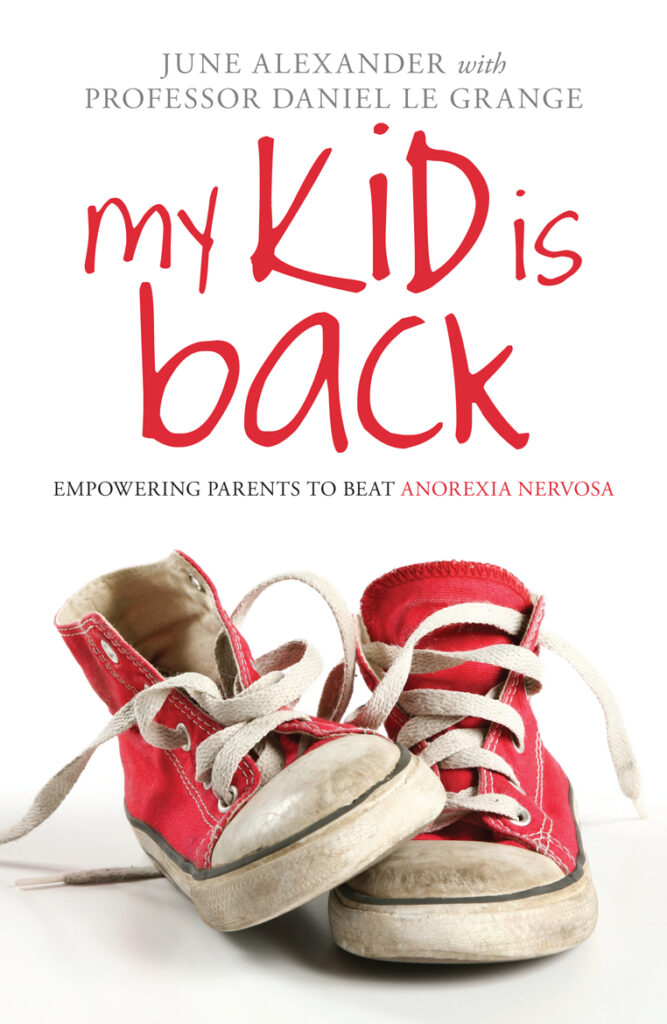
Early responses to the call for family stories about experience with Family Based Treatment (FBT) for treatment of anorexia nervosa have been a revelation. I posted the call on my blog in October to invite first-person stories for the Second Edition of My Kid is Back – Empowering Parents to...
advocacy
Share your story and help parents get their kid back
by
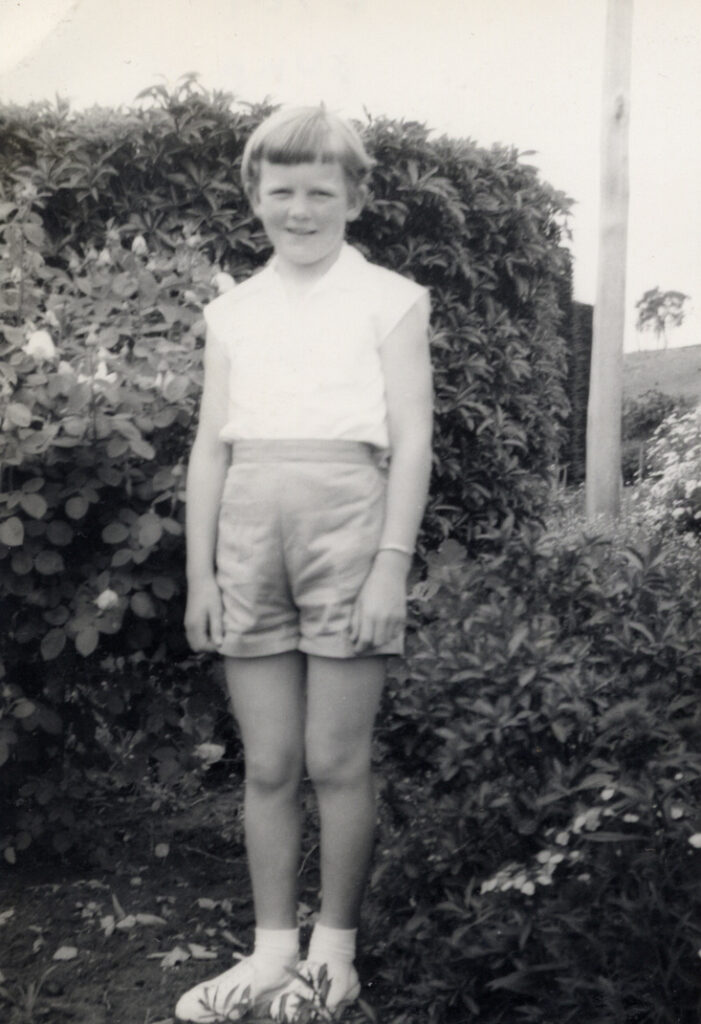
The book My Kid is Back means a lot to me because my parents did not see their kid come back. When I developed anorexia nervosa (AN) at age 11 (shortly after this picture was taken) there was no help for my parents or me. I wish my parents had...
advocacy

Millie the Eating Disorders librarian needs a job
by
I am very grateful to June for allowing me to write this post, and I will be grateful to any of you who can assist me in finding a new job within the eating disorders field. Many of you know me from my work as the eating disorders librarian, but...
Memoir Hub
An environment of trust in the private Memoir Hub
by
Welcome to the Private Memoir Hub. This hub is a gathering place for people like you, who want to write… You must be logged in to view this content.
Anorexia
An inside story about the hard slog of eating disorder recovery
by
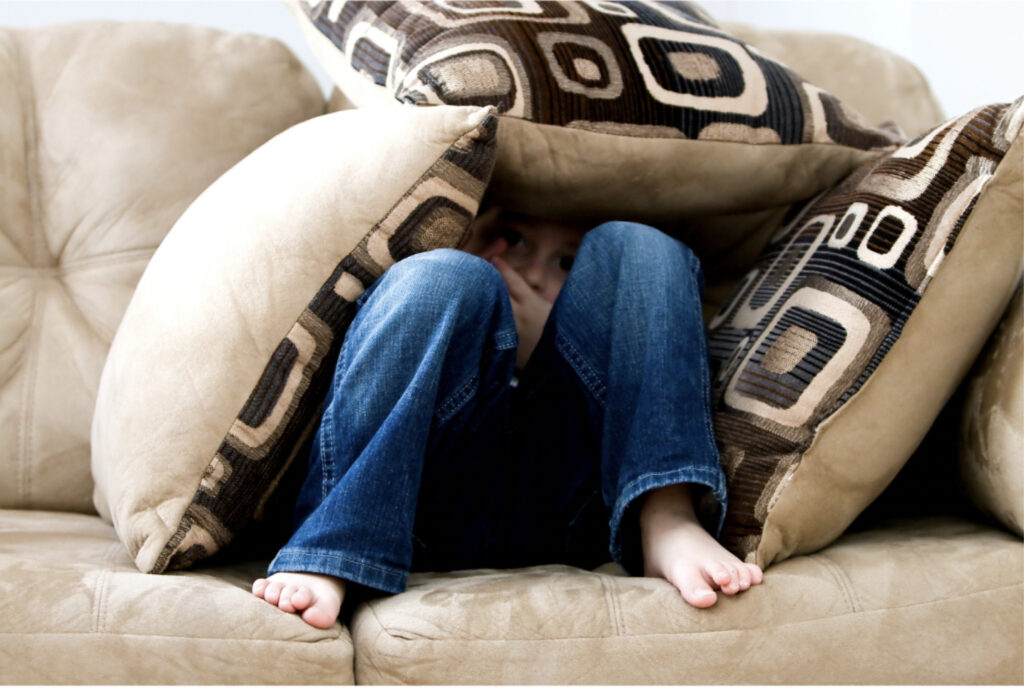
My eating disorder (ED) stipulated that isolating myself was essential for survival. I had no capacity left in my mind or body to function as me. Until I could master self-compassion and self-care, any progress would be skin deep. To trust myself and become part of my treatment team required connection with...
The Diary Healer News
Into the Great Wide Open: Family Risk and the Prevention of Eating Disorders
by
Consider six propositions strongly supported by research: 1. Eating disorders (EDs) are serious, sometimes chronic mental illnesses. 2. There will never be enough qualified therapists and other professionals to treat the number of patients with EDs, especially since mood disorders and substance use disorders are more prevalent. 3. EDs are frequently difficult to...
Eating Disorders
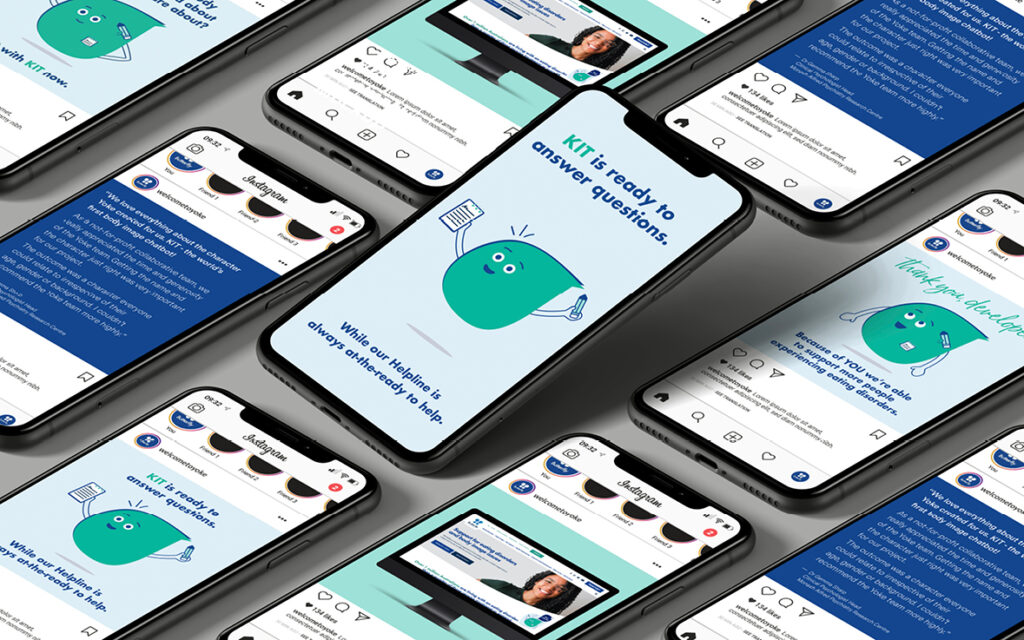
Changing the chatter on body image with ‘KIT’ the Chatbot
by
The COVID-19 pandemic has had devastating impacts on people struggling with body image issues and eating disorders. A new world-first chatbot, launched in collaboration with the Butterfly Foundation, is providing much needed support to these people and their loved ones. The chatbox is providing hope to the one in three young...
Eating Disorders

Learning from lived experience: rating items for body image questionnaire
by
People with lived experience of an eating disorder are being called on to help researchers understand and measure core body image disturbance in the illness. Body image as a concept is much more nuanced than typically considered, and several aspects of body image disturbance could contribute to eating disorder onset...
Eating Disorders

Studying the impact of personality traits in people with eating disorders
by
From a clinical and research perspective, Eating Disorders (EDs) are interesting, almost unique, in that despite not wanting to have an ED, many people continue to engage in behaviour that can be dangerous and even deadly. More concerning is that people with an ED can often have a poor prognosis,...
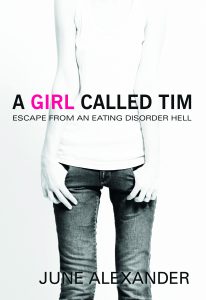
Free - 'A Girl Called Tim' Podcast
In this free podcast, Dr June Alexander reads her memoir, written almost entirely from her diaries, which she began writing at the age of 12.
Dear Diary
Articles
The diary, a book in which a daily record of events and personal experiences can be kept, offers a window into life in the past.






Subscribe for Updates
Receive notifications of new posts by email.
Recent Comments